A repeat blockage is a useful clue
Clearing a drain can restore flow without explaining why it blocked. If the same problem returns, note how often it happens, which fixtures are affected and whether rainfall changes the symptoms.
Possible causes include material accumulating in the pipe, root ingress or a pipe defect. The symptoms alone do not confirm which applies.
Consider what enters the system
Fats, oils, food scraps and wipes can contribute to blockages. Toilet tissue and human waste are different from wipes or other bathroom products: put unsuitable materials in the bin.
Changing disposal habits can reduce avoidable restrictions, but it will not repair a broken pipe or close a defective joint.
Check responsibility before commissioning work
Not every underground pipe is the property owner’s responsibility. If several neighbouring properties are affected or a public sewer is suspected, check with the local sewerage company.
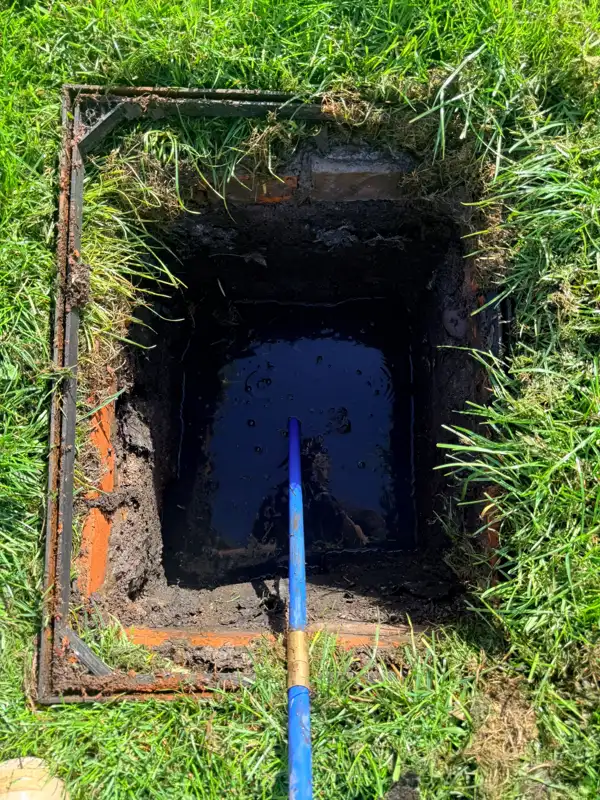
A contractor’s inspection can help establish where a problem is, but do not assume that the location of a chamber alone settles ownership.
Clear, inspect and decide
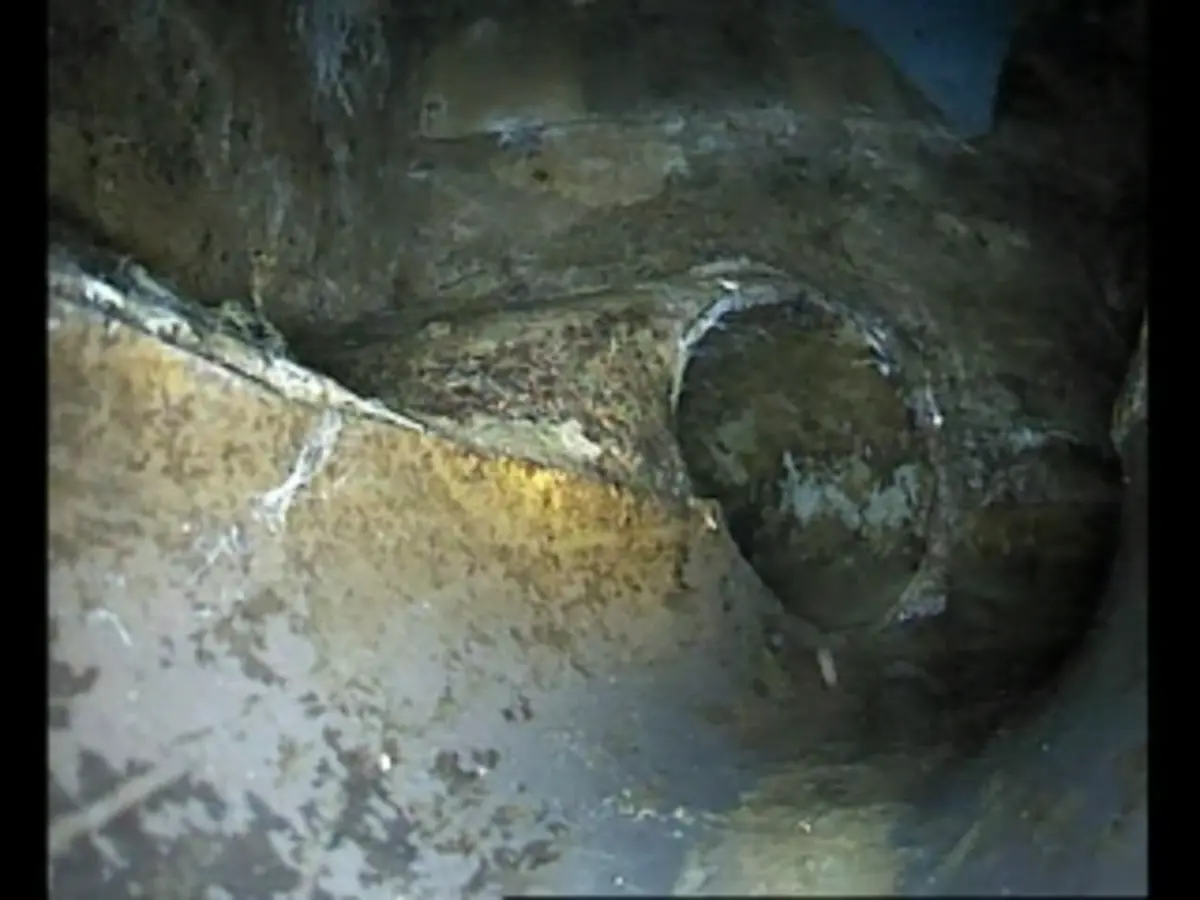
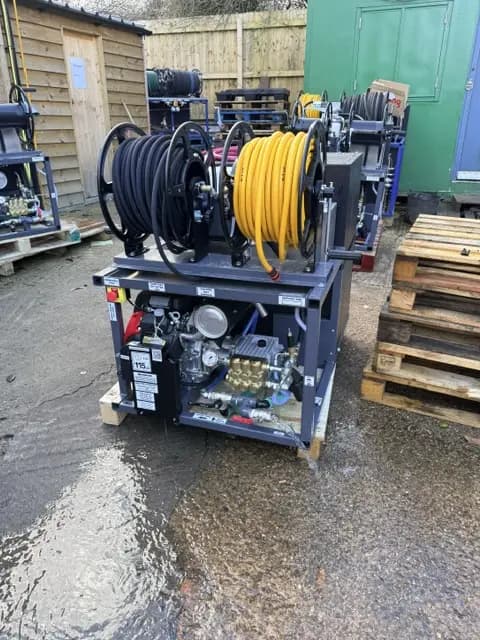
An urgent blockage may need clearance first. If the reason remains unclear or the problem is recurring, CCTV can help inspect visible pipe conditions once suitable access and a clear route are available.
When contacting Prime, describe the symptoms and previous visits. Ask for a quotation that distinguishes clearance, inspection and any subsequent repair. Keep away from sewage and do not enter a drainage chamber.
Official guidance checked 10 October 2026. Requirements depend on the site and may change.