What is being removed?
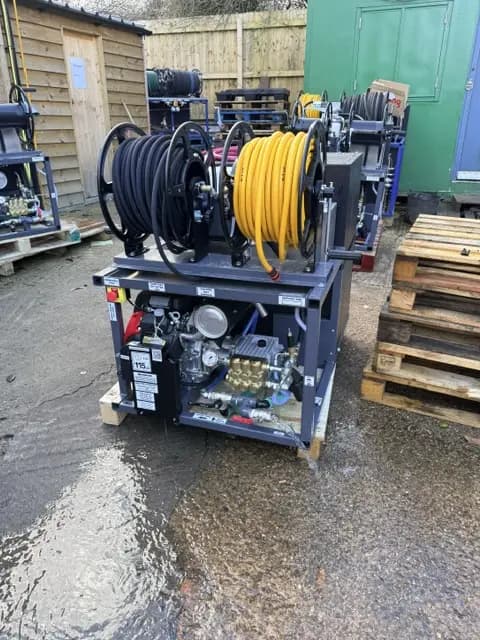
Drain cleaning addresses deposits and restrictions inside pipework. Desilting specifically targets accumulated sediment; the appropriate method depends on the material, pipe condition and available access.
Slow drainage is a symptom, not proof of silt. Roots, damage or an obstruction can require a different approach, so it is useful to establish what is actually restricting the line.
Agree the cleaning scope
Identify the affected run, available chambers and the aim of the visit. Clearing a short obstruction is not automatically the same scope as cleaning a longer system ready for a survey.
Share existing footage or reports where available. Ask whether inspection, debris removal and any follow-up work are included or would need separate agreement.
Why CCTV and cleaning can work together
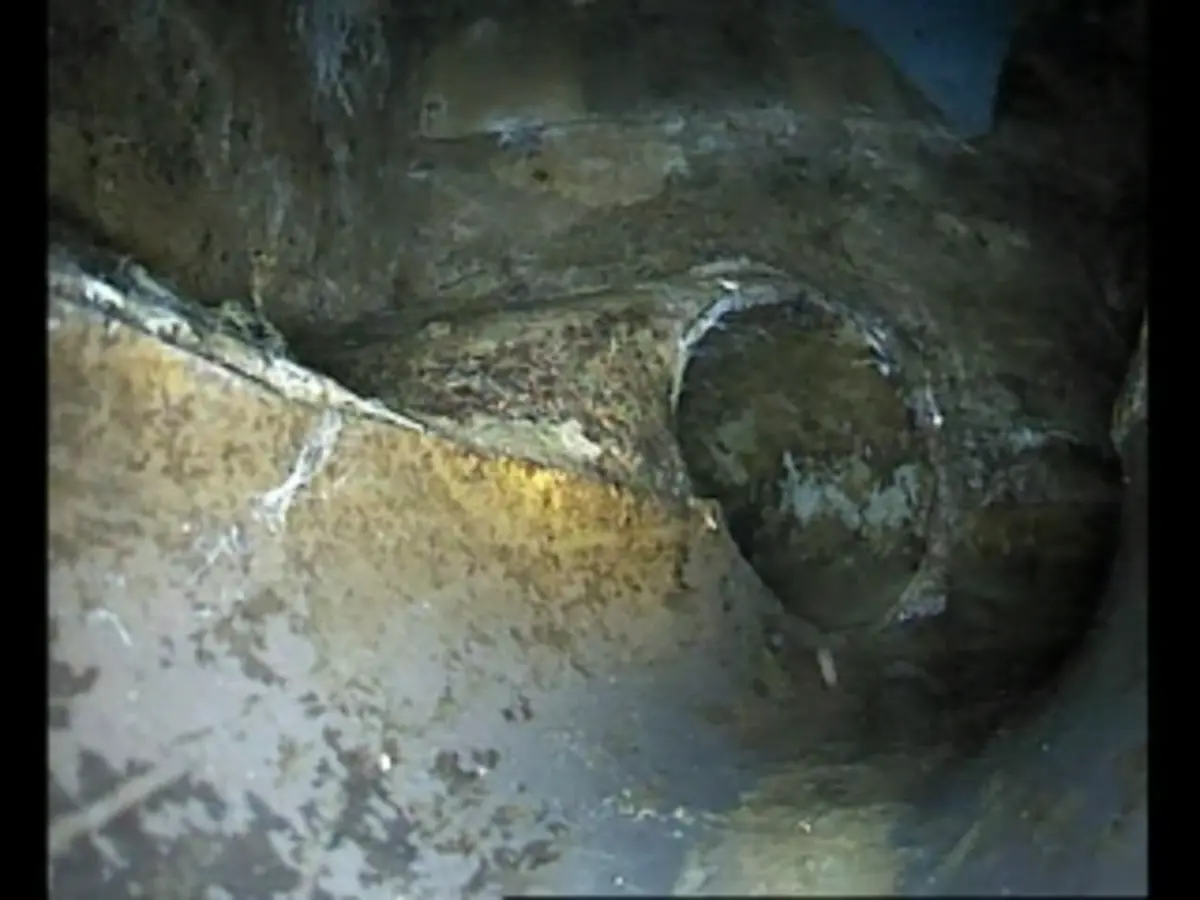
Heavy deposits can obscure the camera’s view. Cleaning may be needed before an inspection can meaningfully assess the pipe beneath them.
Conversely, existing inspection findings can help plan cleaning around known defects. Restoring flow does not prove that the entire run is structurally sound.
When further investigation is useful
If deposits or symptoms return, investigate the source and condition of the run rather than treating repeated cleaning as the only answer. The next step should follow the evidence.
Send Prime the postcode, symptoms, access details and any previous cleaning history. We can discuss cleaning, desilting and inspection as distinct parts of an agreed scope.