Identify the drains that matter to operations
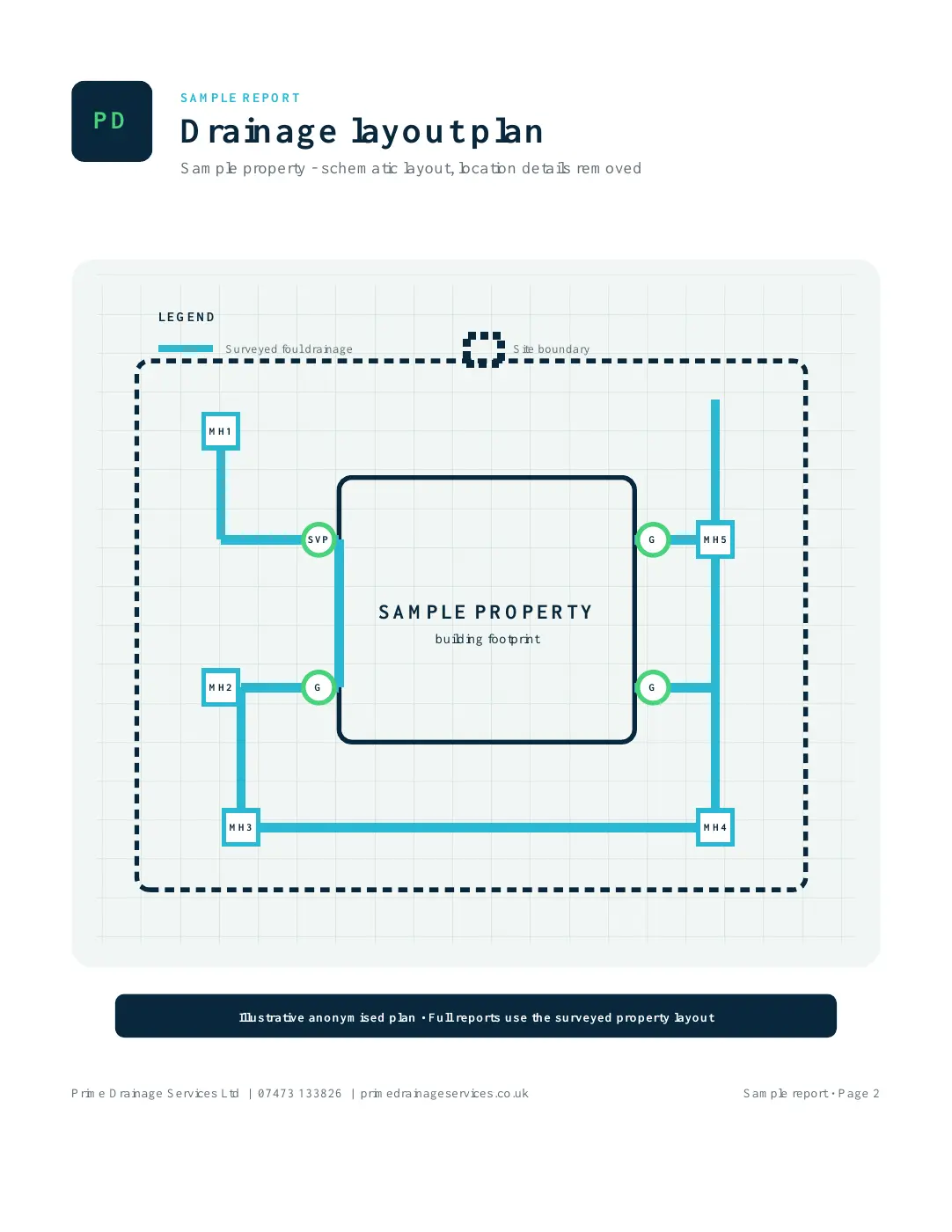
A business site may have several drainage runs, different access arrangements and areas where disruption would be particularly difficult. Start with what is known about the layout and previous failures.
Keep reports, inspection findings and visit records together so the next investigation does not have to start from scratch. Record symptoms without assuming the cause is already established.
Use evidence to plan maintenance
Past blockages, deposits and inspection findings can help decide whether planned cleaning or a condition survey is appropriate. Not every site needs the same schedule.
A plan should explain which runs are covered, why the work is proposed and how findings will influence future visits. Routine cleaning is not a substitute for repairing an identified structural defect.
Agree access and disruption
Discuss the hours the site operates, access to chambers, vehicle routes and any areas that need to remain usable. Explain site induction or permit requirements before booking.
Confirm the agreed work window and how unexpected findings will be handled. Do not assume every service or out-of-hours arrangement is included without agreement.
Prepare for a practical quotation
Send Prime the site postcode, type of premises, symptoms, existing reports and known access restrictions. Identify whether you need reactive clearance, CCTV investigation, cleaning or a repair proposal.
Prime supports businesses, landlords and property professionals with drainage investigation and works. An appropriate scope can support continuity, but no maintenance plan can guarantee that a blockage will never occur.