Begin with a defined defect
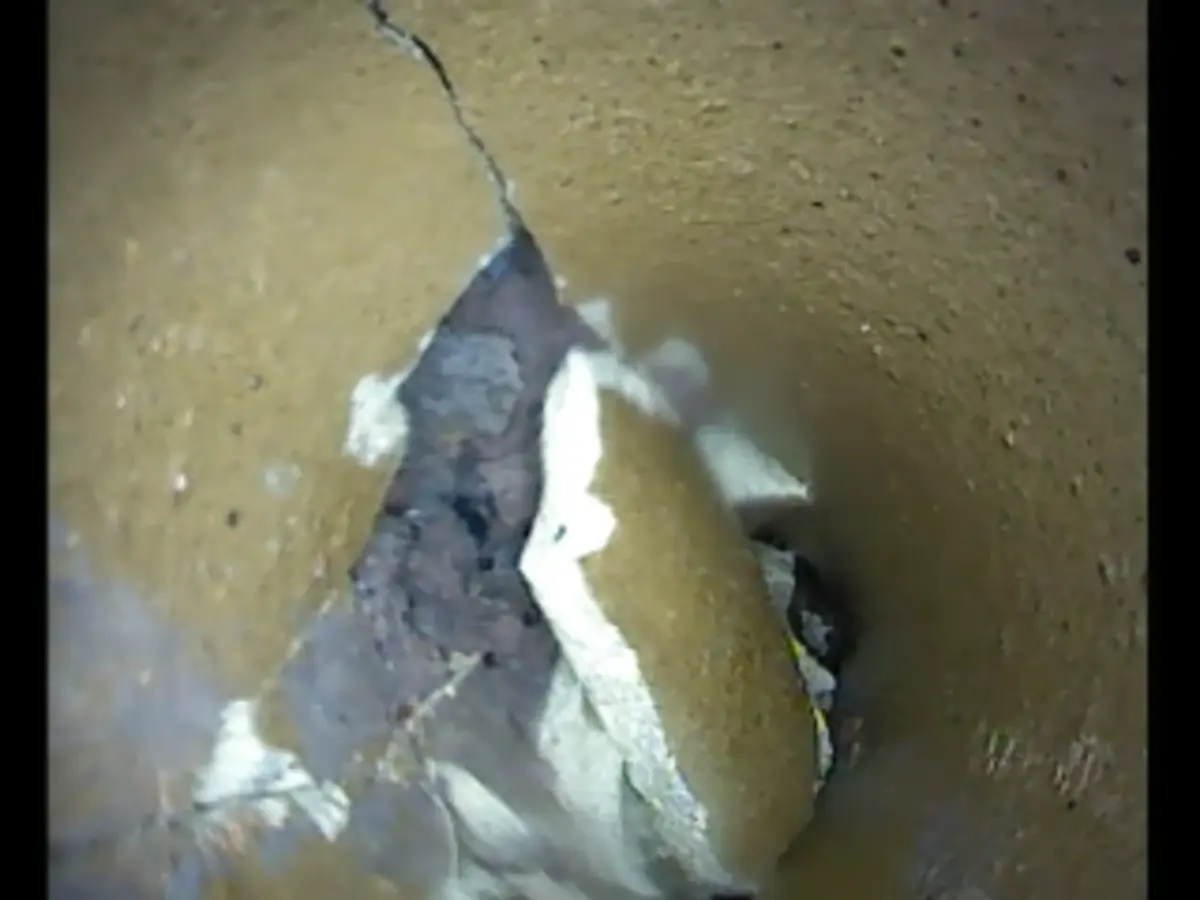
A repair recommendation should explain what is wrong, which section is affected and what the inspection can actually show. A CCTV image needs context: the pipe route, access and surrounding condition also matter.
Ask whether the line needs cleaning or further inspection before the repair method can be confirmed. A clear explanation is more useful than choosing solely on the label 'no-dig'.
When patch lining can be considered
Patch lining repairs a localised section from inside the existing pipe where suitable. It can reduce the need to excavate the surface above the defect.
Suitability depends on the defect, pipe condition, geometry and access. Preparation is part of the decision; a patch should not be assumed to solve every structural problem or every displaced connection.
When excavation may be needed
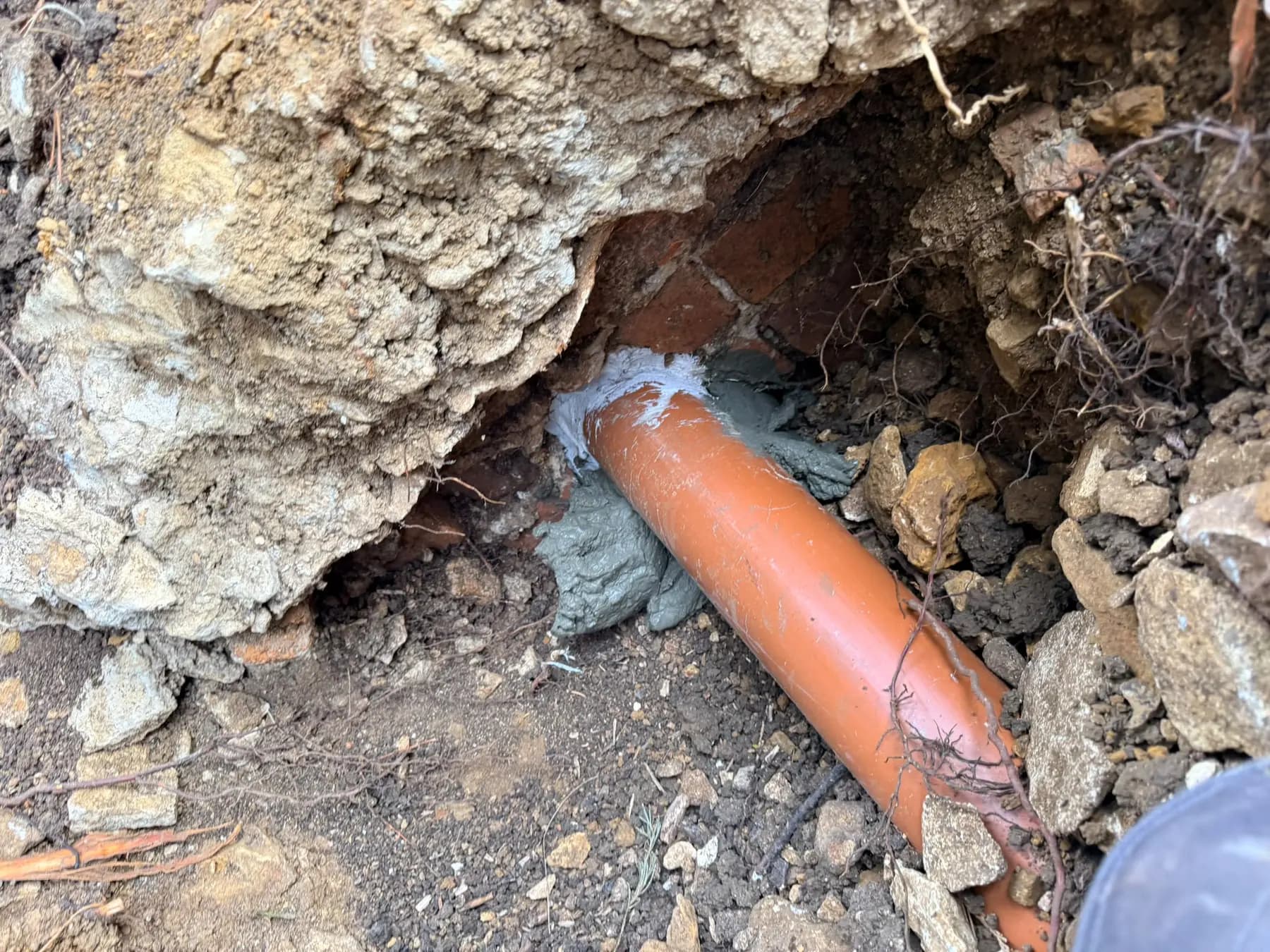
Some defects require access from outside the pipe to replace or reconstruct the affected section. The inspected condition and practical repair requirements determine whether excavation is appropriate.
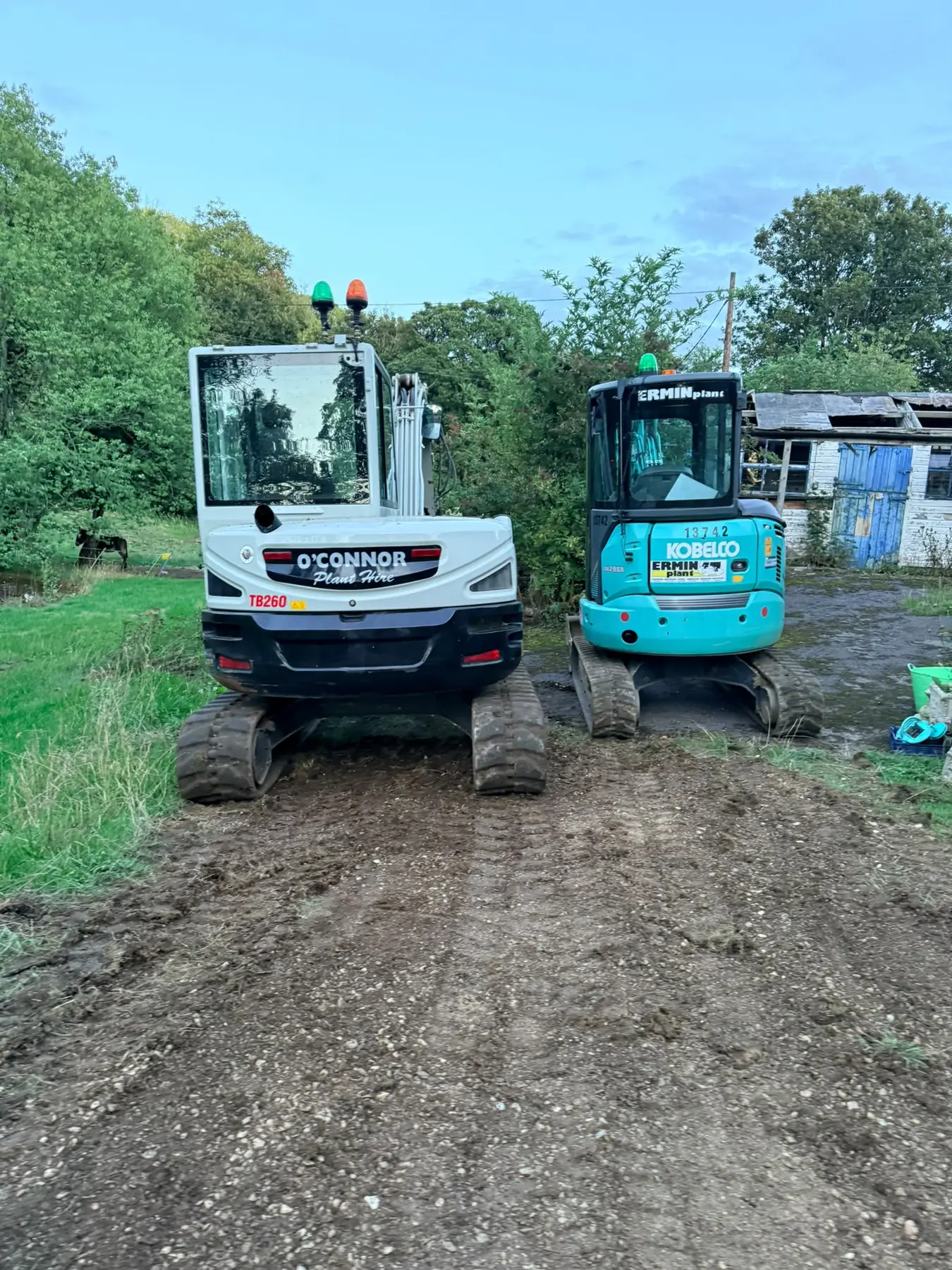
The surface, buried services, depth and access can affect the scope. Ask what will be excavated and what reinstatement is included rather than comparing only the pipe repair itself.
Questions for the quotation
Ask which defect the proposed repair addresses, how the line will be prepared, what completion checks are included and whether other identified defects remain outside the scope.
Prime provides both patch lining and excavation services. We can discuss an appropriate option from the findings without promising that every job can be completed without digging.