Know why excavation is proposed
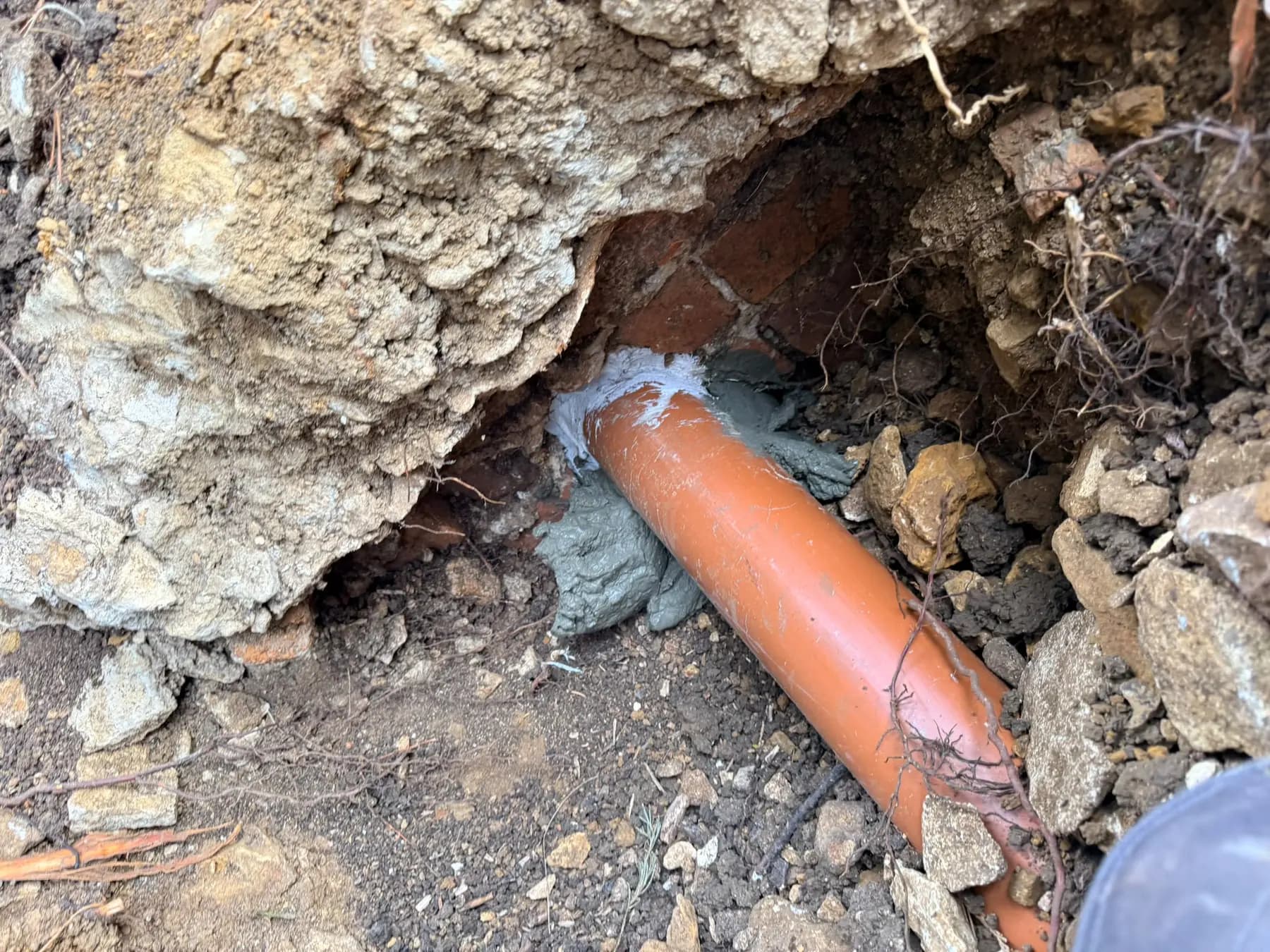
Excavation may be appropriate where a damaged section needs replacement, access must be created or new drainage pipework is required. The proposal should explain what the work is intended to achieve.
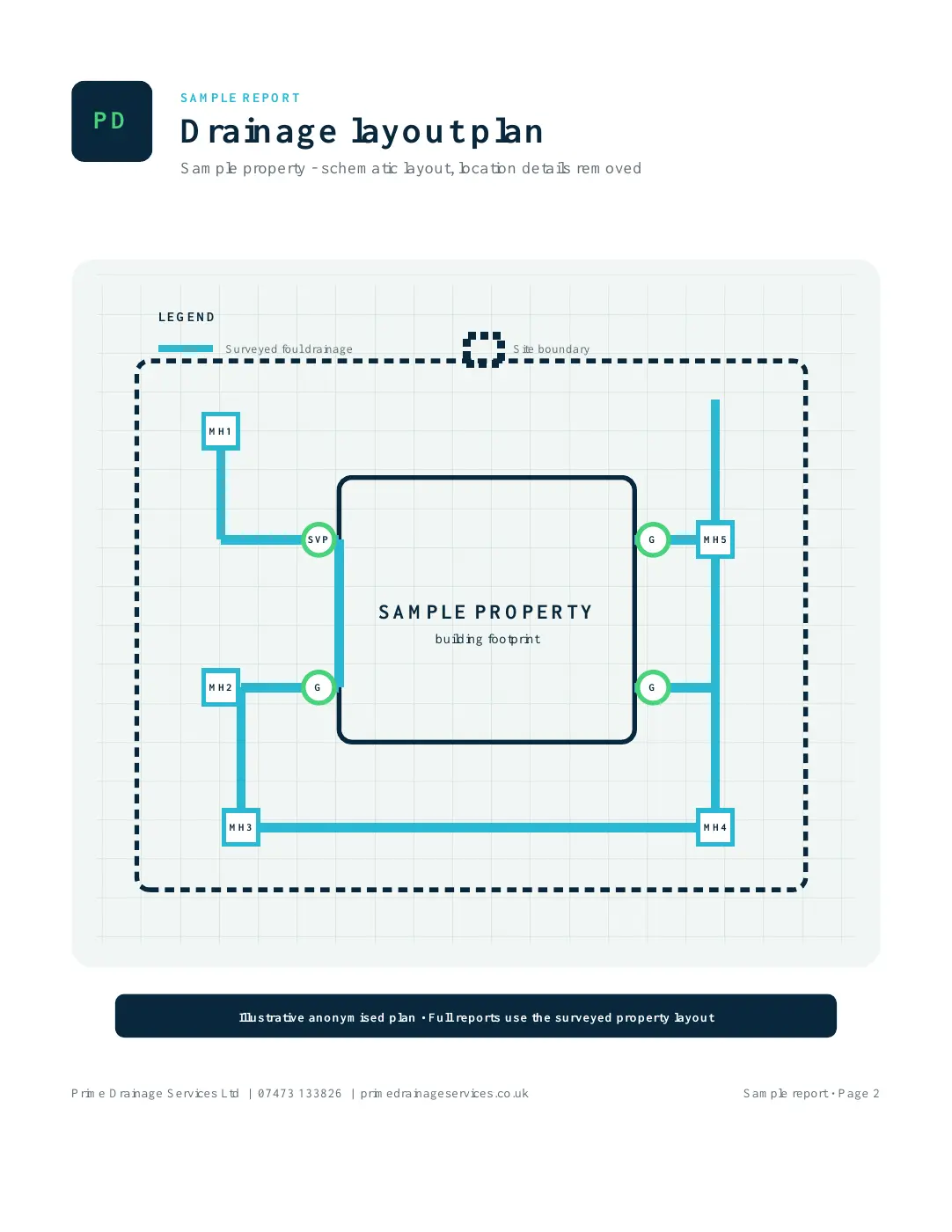
Existing CCTV and layout information can help define the scope. Unknown routes or inaccessible defects may need investigation before a final repair plan is agreed.
Access changes the practical approach
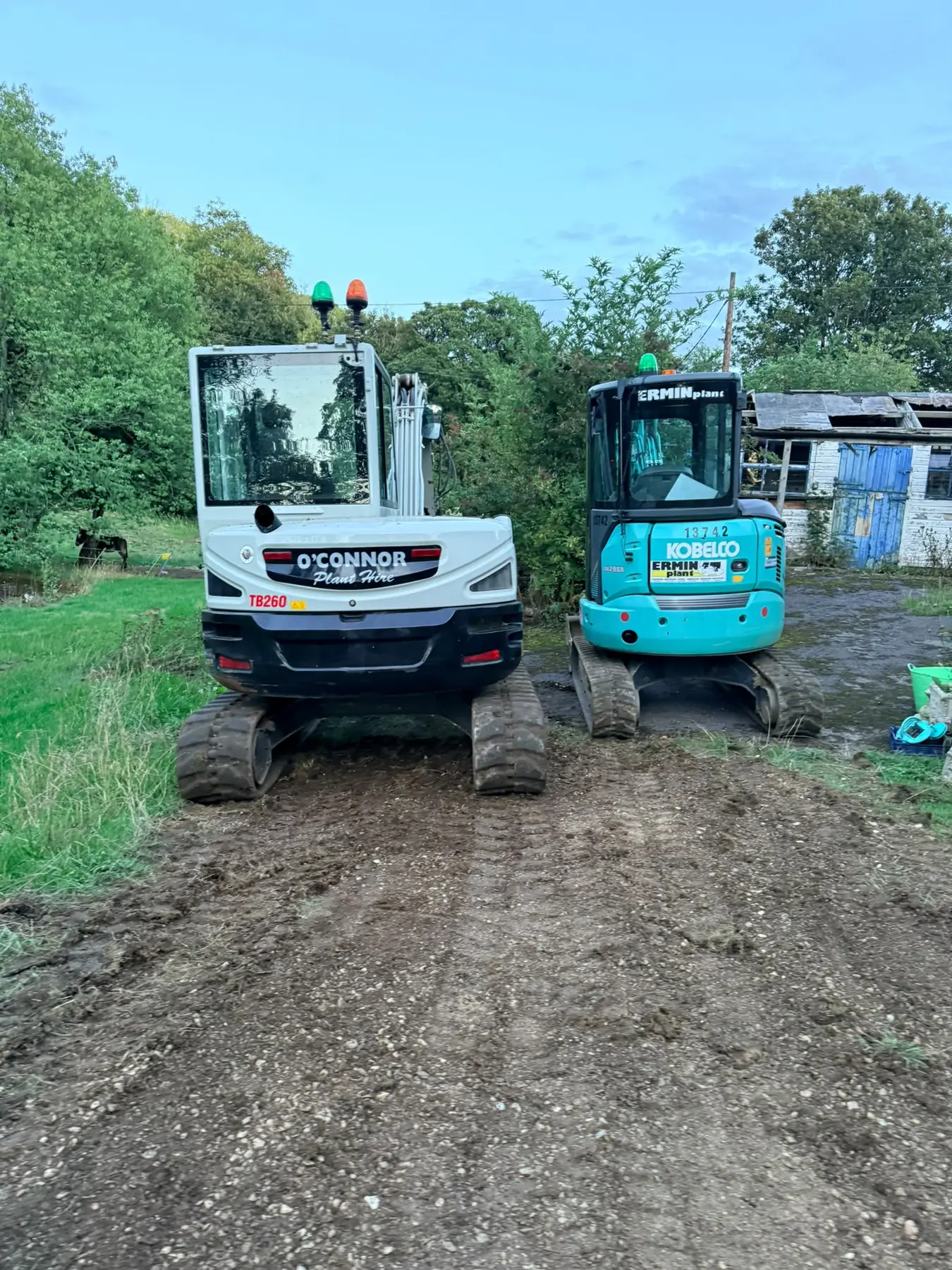
Gate widths, driveways, working space and the location of the drain affect how machinery and materials reach the work area. Tell the contractor about access restrictions before the visit.
Photographs help an initial discussion, but they do not replace checking the actual site, buried services and working conditions. Do not assume a camera survey locates every other underground utility.
Discuss surfaces and finishing work
Explain whether the drain runs beneath paving, a driveway, a garden or another structure. The quotation should distinguish exposure of the pipe, repair or installation, backfilling and surface reinstatement.
Confirm what happens to excavated material and what finish is proposed. 'Repair the drain' should not leave you guessing about the surface afterwards.
Prepare the information for a quote
Send the postcode, symptoms or planned work, any survey report and photographs of both the work area and access route. Explain whether the property must remain in use during the works.
Prime undertakes drainage excavation, replacement pipework and associated civils. The scope should be based on the site and findings rather than a standard trench size applied to every job.