Establish what is already there
Before discussing a replacement, identify the tank type, connections and where its outlet goes. An old drawing or previous report can help, but the actual layout may need investigation.
Backing-up drains or wet ground do not, by themselves, prove that the tank needs replacing. Connecting pipework, the outlet and the receiving drainage system may also need attention.
The discharge arrangement matters
In England, a septic tank must not discharge its effluent to a watercourse. Discharge to ground requires an appropriate drainage field and compliance with the rules that apply to the site.
The Environment Agency’s general binding rules are conditional, not an automatic exemption for every installation. Building regulations approval and any necessary planning permission also need consideration. Check the current official guidance for your proposed arrangement.
Discuss the whole installation scope
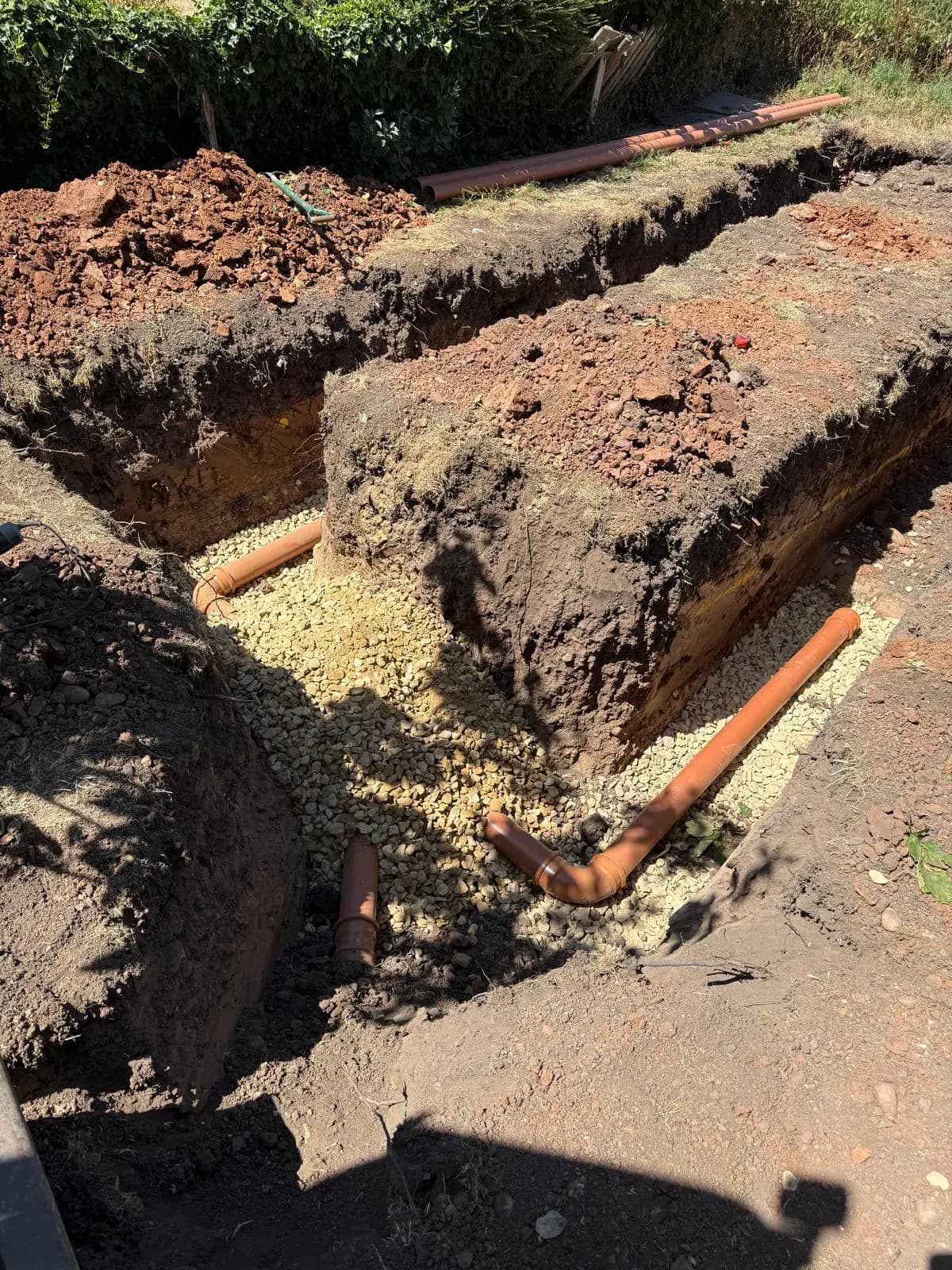
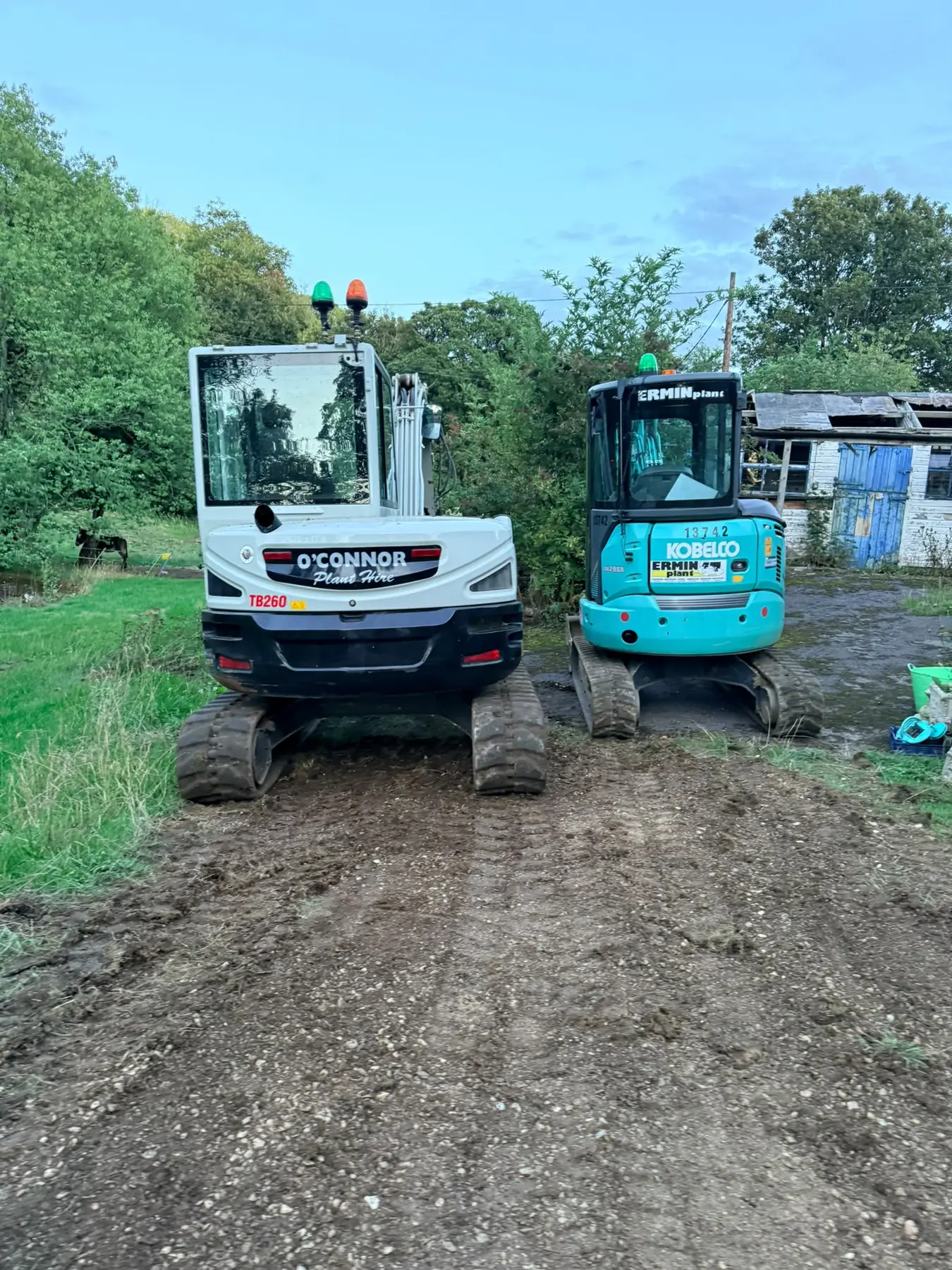
A useful quotation should distinguish investigation, tank or pipe installation, excavation, access, disposal of excavated material and reinstatement. Ground conditions and machinery access can materially affect the work.
Tell us whether the property remains occupied during the works and provide any existing system information. A replacement proposal should address how the system will function, rather than simply matching an old tank’s dimensions.
What to send Prime
Send the property postcode, photographs, known system layout, symptoms and any previous reports. Explain whether you need investigation, replacement or a new installation.
Prime’s service focuses on drainage investigation, repair and installation. Routine tanker emptying is a separate service and is not included automatically.
EXISTING SEPTIC SYSTEMS
A closer look before work is agreed.
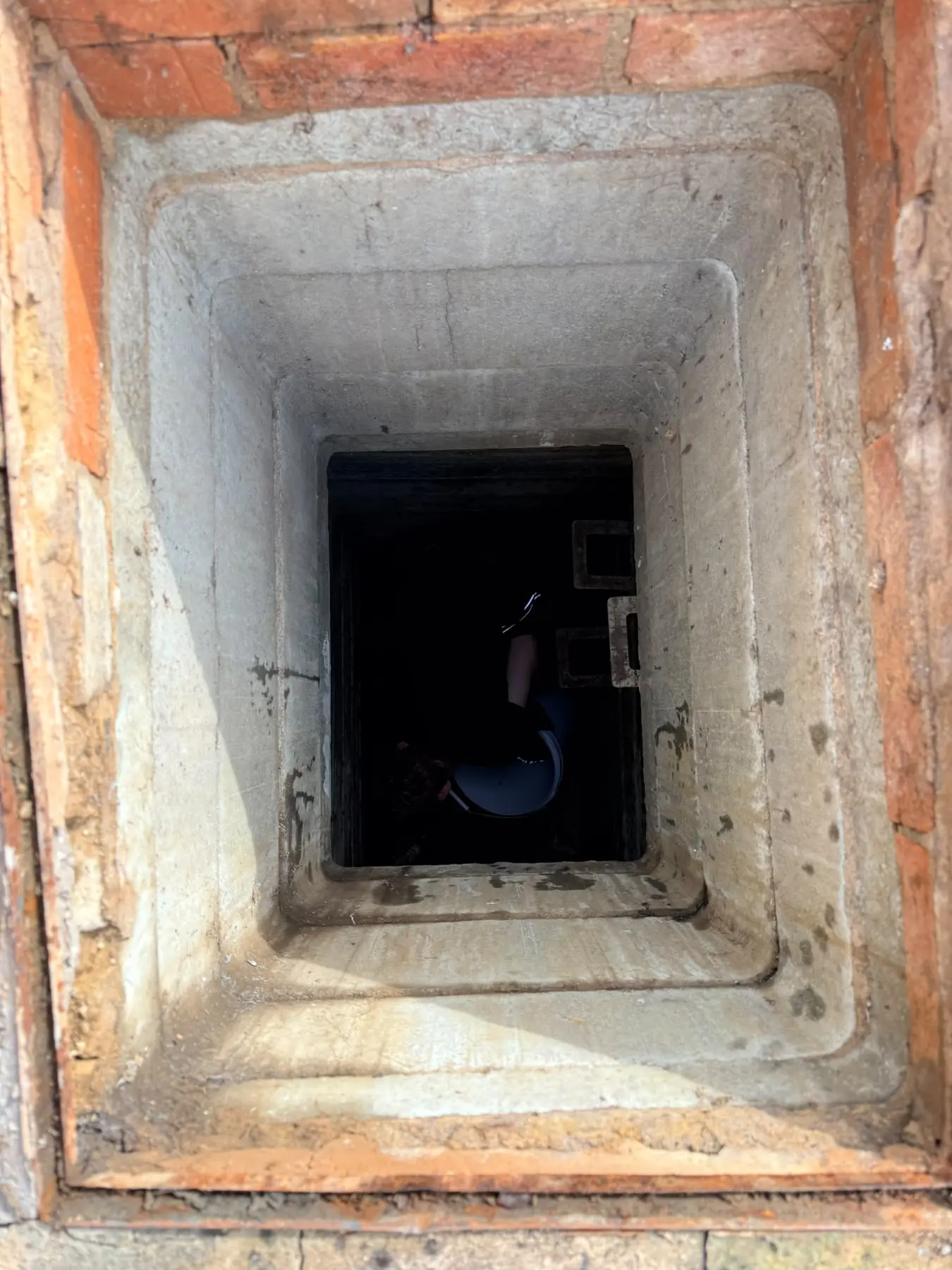
Existing photographs and previous survey reports help us understand your property. These views show a tank access opening and the visible interior of a masonry chamber.
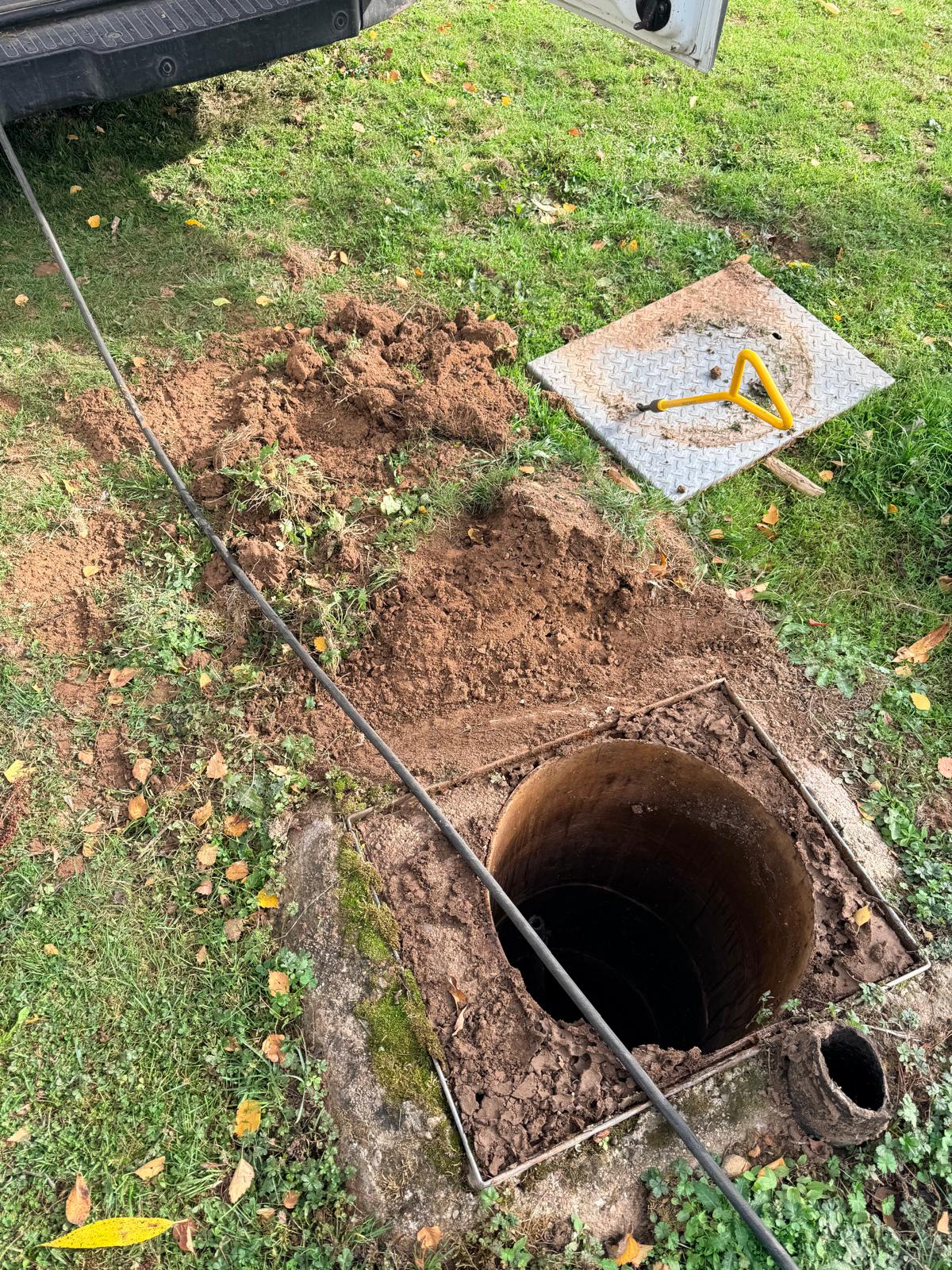
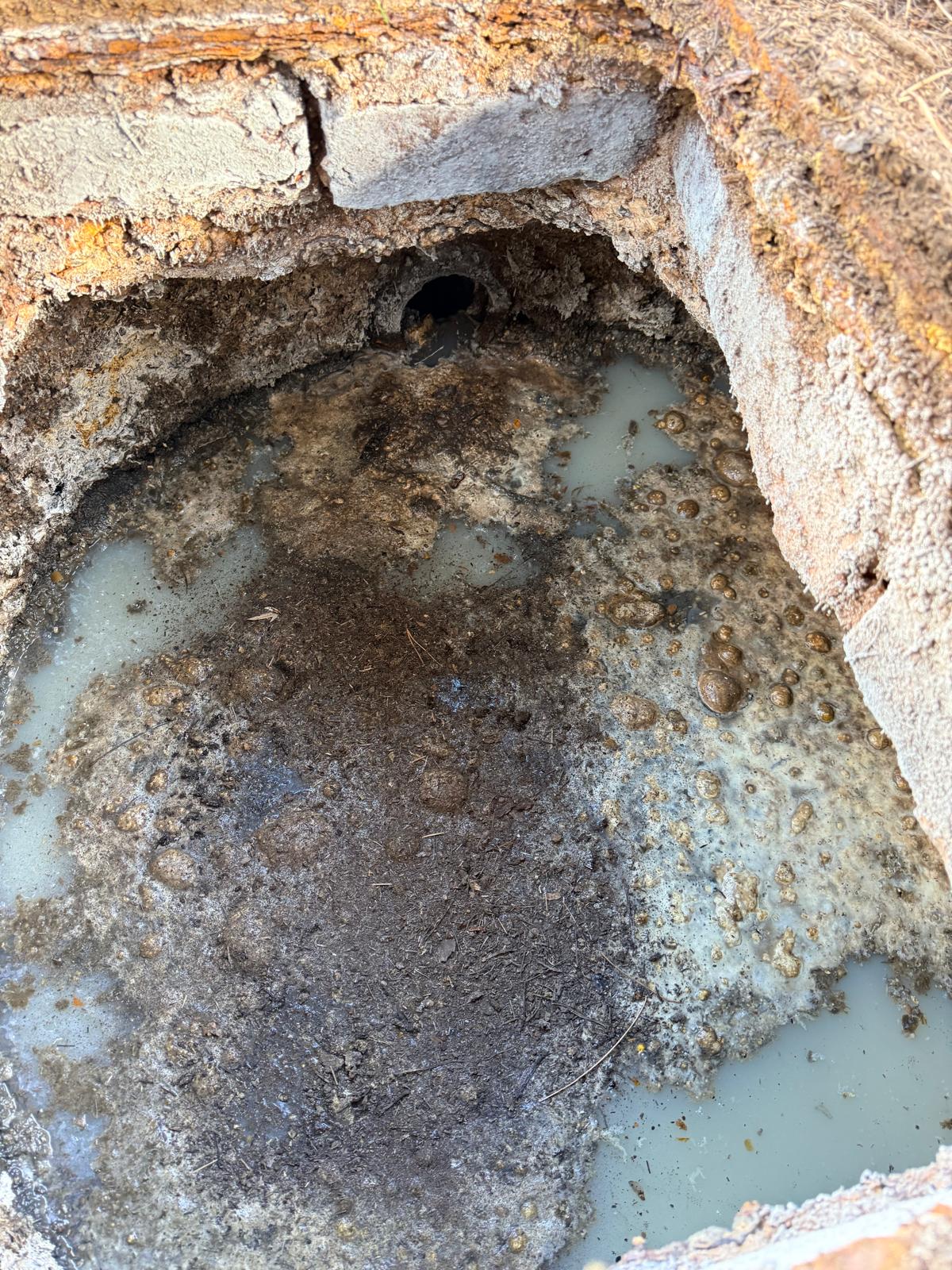
Photographs alone do not establish whether a tank or drainage field needs replacing. We consider the accessible system, connecting drains and any inspection limitations before explaining the appropriate next steps.
Official guidance checked 10 October 2026. Requirements depend on the site and may change.