Start with the water source
A system receiving roof or surface rainwater has a different purpose from one receiving treated sewage effluent. They should not be treated as interchangeable installations.
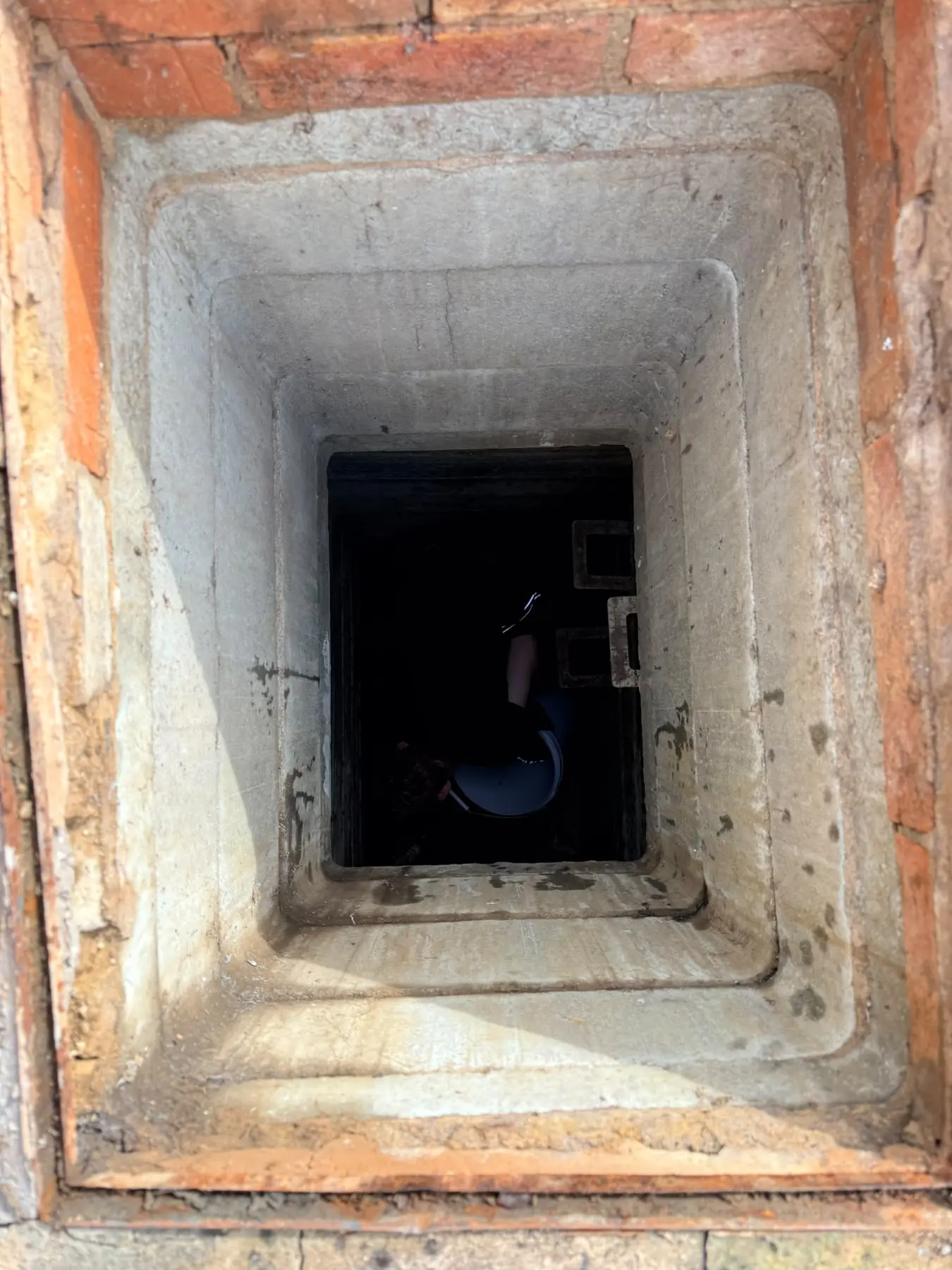
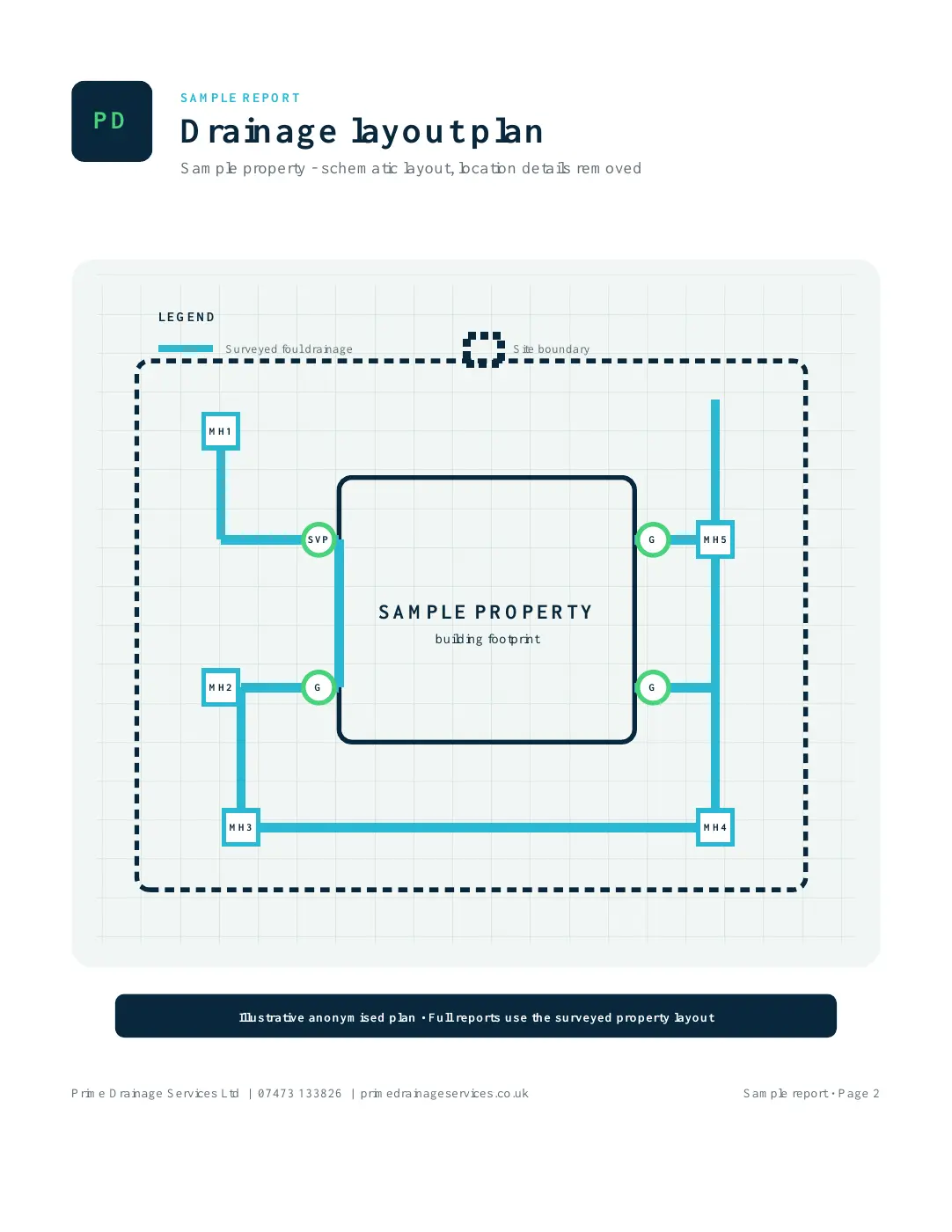
When you contact a contractor, explain which outlets feed the system. If that is unclear, tracing the connections may be a more useful first step than selecting a replacement.
Why the distinction matters
The Environment Agency describes a sewage drainage field as an infiltration system providing further treatment through the ground. A rainwater soakaway is not the same thing.
For sewage discharges in England, the relevant general binding rules and site requirements must be checked. A rainwater soakaway installed after December 2007 cannot meet those rules when used for sewage effluent. This is not a design guide for a particular property.
Investigate a failure before replacing it
Wet ground, slow drainage or backing-up pipes can have more than one cause. The connecting pipework, deposits, layout and receiving ground may all need assessment.
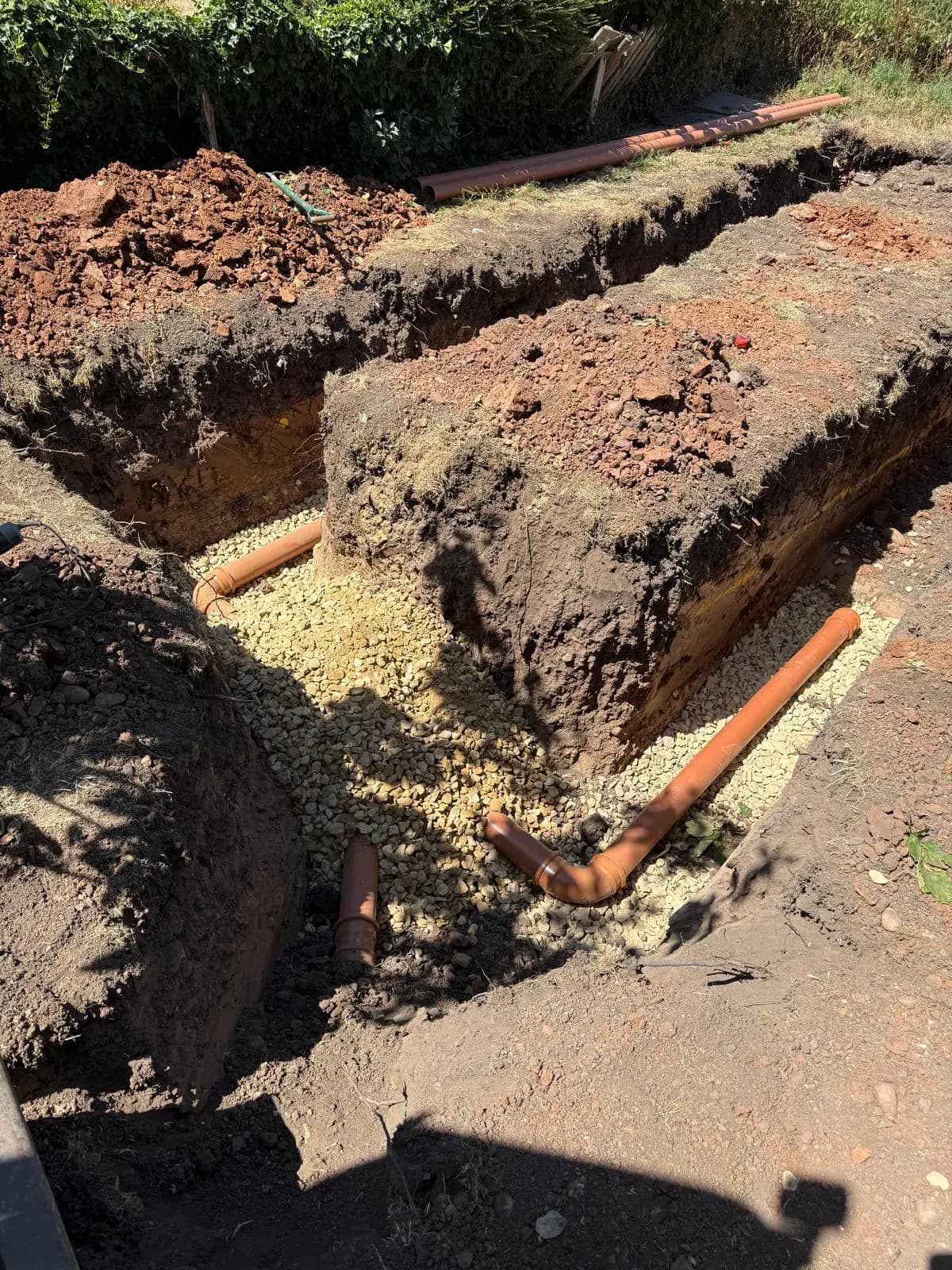
A site-specific proposal should consider what enters the system, the existing route, available space and ground conditions. A photograph or a trench length alone is not enough to establish a suitable design.
Prepare for a useful site discussion
Share the postcode, symptoms, any plans and photographs of the affected area. Explain whether the problem changes after rainfall, where machinery can enter and what surfaces would need reinstatement.
Prime can discuss investigation and installation work. The quotation should make clear which assessment, permissions, excavation and finishing works form part of the agreed scope.
Official guidance checked 10 October 2026. Requirements depend on the site and may change.